November 11, 2026
During the winter months, commercial vehicle delays can disrupt operations, impacting delivery timelines and operational budgets alike. Snow plow installations on commercial work trucks, utility vehicles, and heavy equipment offer a direct solution to the challenges posed by severe winter conditions. Equipping fleets with dedicated snow and ice removal attachments mitigates transit delays, enhances job site safety, and protects operational continuity. Understanding the mechanical, operational, and equipment requirements involved in these setups is essential for maintaining accessibility throughout severe weather events.
When severe winter storms hit, relying solely on municipal clearing crews often results in costly bottlenecks that immobilize service vehicles, delivery routes, and staging yards. Outfitting an in-house fleet with the right combination of pushers, straight blades, or multi-position plows allows facilities to establish immediate control over their critical transit corridors. Achieving optimal performance, however, requires more than just bolting a blade onto a bumper. Fleets must account for chassis load capacities, robust front-end electrical integration, proper hydraulic configurations, and strict preventive maintenance schedules. Taking a structured, proactive approach to these upfitting projects ensures that work-ready vehicles withstand brutal freezing cycles while operating safely, predictably, and efficiently under heavy snow loads.
The Impact of Winter Weather on Commercial Operations
Economic Implications of Fleet Downtime
Severe winter conditions can stall logistics chains and service routes, leading to substantial economic losses. Delays caused by snowed-in parking facilities, loading zones, and access roads prevent on-time deliveries and halt service calls. According to the Department of Transportation, commercial vehicle operators lose an estimated 32.6 billion vehicle hours annually to weather-related congestion in 281 U.S. metropolitan areas. Ensuring access roads, distribution bays, and client properties are cleared promptly protects business productivity across the region.
Operational Challenges During Major Snow Events
Operational friction escalates quickly when snow begins to fall, creating hazardous driving surfaces and slowing transit. Snow accumulation causes site bottlenecks as facilities become inaccessible to delivery trucks and support fleets. Businesses must adapt by modifying dispatch schedules or deploying clearing equipment to preserve site access. Investing in professional snow plow installations mitigates these interruptions by enabling rapid, on-site clearing as conditions develop.
Safety and Liability Concerns on Commercial Sites
The safety of personnel, drivers, and equipment is paramount during adverse winter conditions. Hard-packed snow and hidden ice increase the risk of collisions, vehicle slide-offs, and workplace accidents. These risks can result in costly physical damage, workers' compensation claims, and downtime. Maintaining clear lots and loading docks minimizes hazards, helping fleets operate safely throughout major winter events.
The Configurations of Commercial Snow Removal Equipment
Selecting the Right Snow and Ice Equipment
Matching the appropriate plow blade and mounting system to the host vehicle is critical for operational efficiency and structural longevity. Reliable snow plow installations require distinct configurations based on vehicle class, chassis weight, and site requirements. Selecting the correct setup guarantees that equipment performs reliably without placing unnecessary strain on work trucks across varied operational environments.
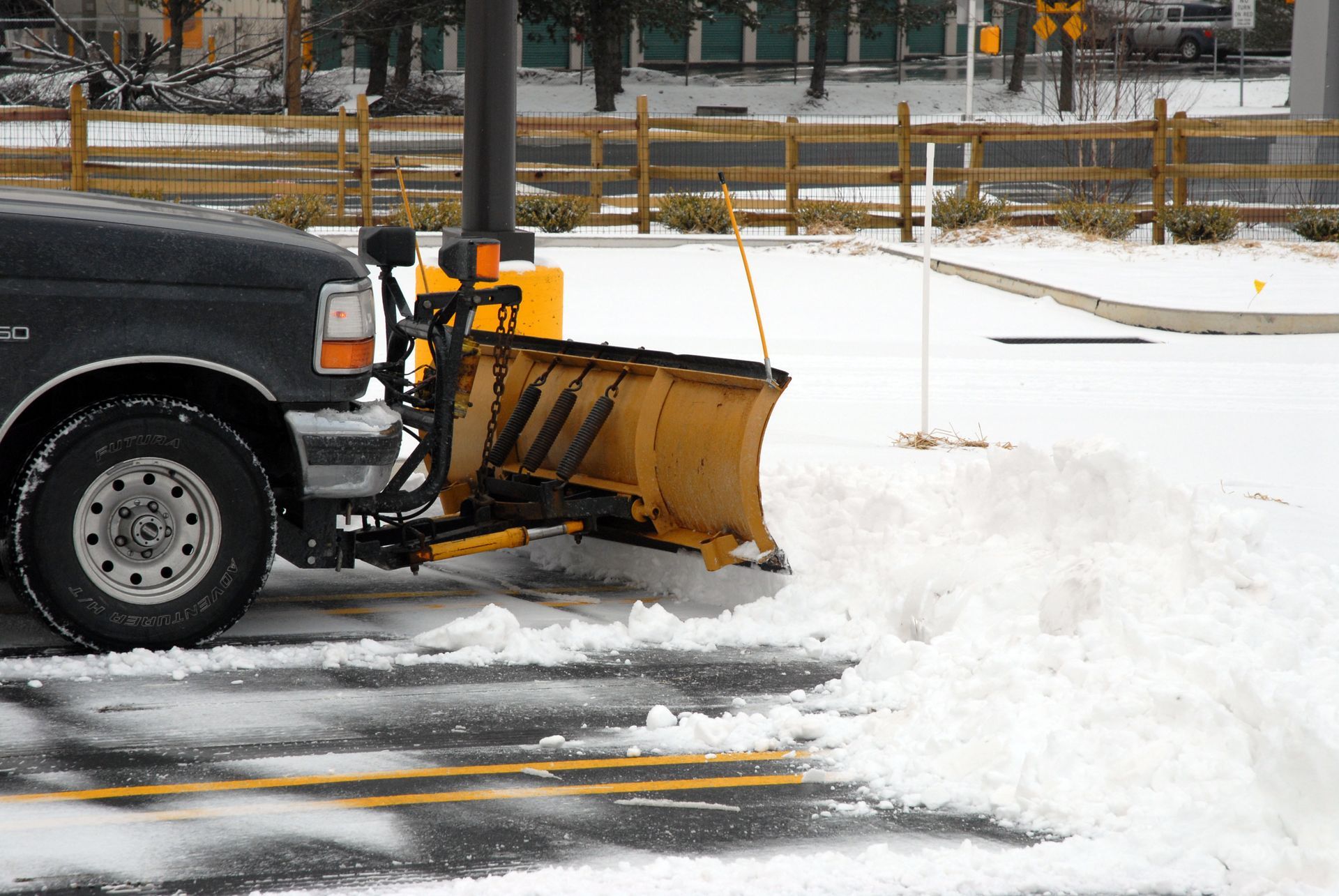
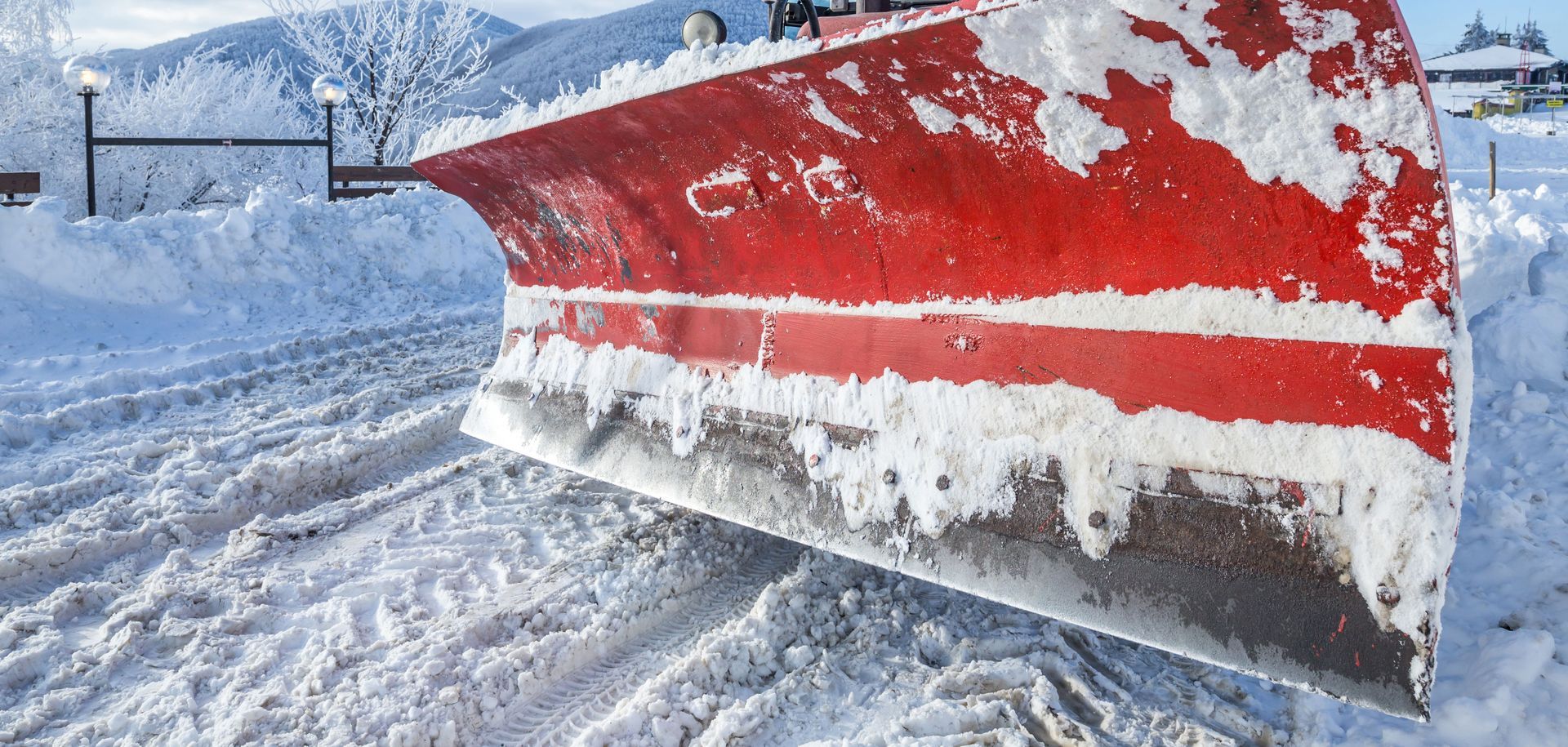
Straight-blade plows deliver rugged reliability, allowing operators to clear driveways, small lots, and dedicated travel lanes efficiently. For more demanding conditions, multi-position V-plows offer several blade configurations that can scoop, stack, or angle snow through deep drifts and narrow access alleys. Expandable-wing plows provide adjustable width via hydraulic controls, letting operators span wide commercial lots before retracting the moldboard for safe highway transport.
Heavier equipment relies on containment box plows and pushers mounted on skid steers, wheel loaders, and tractors to move large volumes of snow across open yards and loading docks without side spillage. In tighter environments, compact attachments for ATVs work alongside dedicated stand-on sidewalk machines to clear walkways and entryways inaccessible to full-sized trucks. Deploying the right balance of these equipment types ensures complete property clearance without causing mechanical strain or structural surface damage.
Mechanical and Electrical System Integration
Modern snow removal equipment relies on high-grade hydraulic systems, electrical integration, and structural reinforcements to perform in sub-zero environments. Professional upfitting includes integrating heavy-duty wiring harnesses, auxiliary high-output LED lighting packages, and responsive in-cab handheld controllers. Completing proper snow plow installations alongside tailgate or under-tailgate spreaders allows operators to distribute bulk salt or blended materials immediately behind the plow path to prevent refreezing.
Maximizing Year-Round Vehicle Utility
Commercial vehicle utility improves when work trucks, skid steers, and utility platforms are outfitted with modular, quick-attach mounting hardware. Installing push frames, auxiliary wiring, and hydraulic quick-connect fittings allows work vehicles to transition into winter management platforms during snow emergencies. Once the season concludes, equipment can be detached so vehicles return to standard construction, landscaping, or hauling duties.
The Maintenance of Commercial Fleets and Safety Systems
Preseason Fleet Inspections and Operational Readiness
Equipment reliability during a blizzard depends on comprehensive preseason mechanical preparation. Inspecting cutting edges, wear shoes, hydraulic fluid condition, and electrical connections before winter sets in prevents catastrophic equipment failures in the field. Checking hydraulic valve seals, testing pressure relief settings, and treating electrical harnesses for corrosion ensures equipment performs predictably when the temperature drops.
Rapid-Turnaround Emergency Repairs and In-Storm Support
During active snow events, mechanical failures, such as severed hydraulic lines, broken trip springs, dropped blades, or failed electrical solenoids, can instantly sideline a commercial vehicle. Access to dedicated mechanical repair facilities, replacement parts, and structural welding support is essential. Timely maintenance preserves the integrity of commercial snow plow installations and keeps vital machinery operating without extended interruptions.
Proper Installation and Chassis Load Distribution
Safe equipment operation requires matching the plow and spreader package to the host vehicle's Gross Axle Weight Rating (GAWR). Proper front-end suspension support, correct ballast placement behind the rear axle, and isolated electrical circuits prevent premature wear on alternators, steering gear, and front suspension components. Precision snow plow installations ensure safe handling and extend the operating lifespan of both the vehicle and the attachment.
Preventative Wear-Component Management
Sustained commercial plowing requires ongoing monitoring of primary wear surfaces. Steel cutting edges, carbide wear bars, and curb guards absorb extreme friction and impact from frozen asphalt and concrete. Replacing these components before the base moldboard incurs wear protects the structural integrity of the plow and ensures clean scraping, reducing the need for repeated clearing passes.
Beyond preserving the blade moldboard, consistent component maintenance directly protects host vehicle mounting hardware. As cutting edges wear unevenly, the plow blade chatters and bounces across frozen ground, transferring harsh shock loads straight through the push frame into the vehicle's front suspension and steering assembly. Installing fresh wear bars and dialing in proper shoe height maintains smooth ground contact, which maximizes scraping efficiency while reducing the tractive effort required by the truck. Fleet managers who track component wear and maintain spare edges on hand avoid emergency downtime, preserve fuel efficiency, and prevent secondary mechanical strain throughout intense winter cycles.
Minimizing winter vehicle delays and keeping commercial sites accessible demands dependable, professionally upfitted equipment. Equipping work trucks and machinery with durable V-plows, containment pushers, and precision spreaders, paired with proactive seasonal maintenance, ensures operations run smoothly through the harshest winter weather. Whether you need complete system installations, routine inspections, OEM replacement parts, or rapid emergency repairs, Snow Plow Solutions offers our comprehensive inventory and technical service required to protect your bottom line. To find the ideal configuration for your fleet, contact our team to learn more about our commercial snow plow installations.