September 11, 2026
As winter approaches, keeping a snow plow fleet in dependable operating condition becomes essential for efficient snow removal and safer roadways. Equipment that performs well at the beginning of the season may gradually develop mechanical, hydraulic, electrical, or structural problems as repeated storms place additional strain on critical components. Recognizing early warning signs can help fleet managers schedule snow plow repairs before minor issues develop into costly breakdowns. Regular inspections also reduce unexpected downtime and help operators complete routes more consistently. By monitoring performance, unusual noises, visible damage, and maintenance costs, fleet managers can better determine when equipment requires immediate professional attention.
Decreased Plowing Efficiency
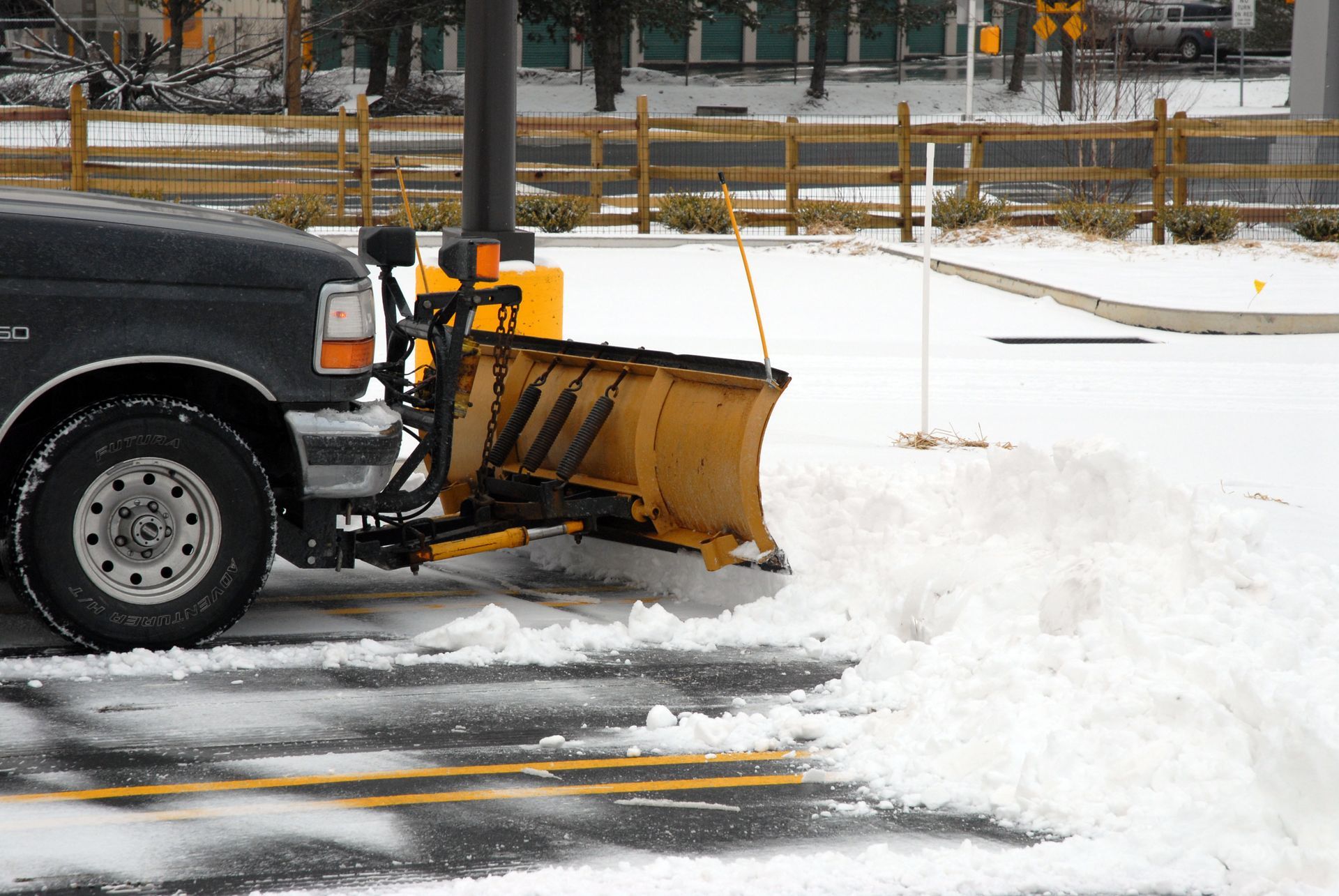
One of the clearest indications that a plow requires attention is a noticeable decline in snow-clearing performance. Blades that once produced clean passes may begin leaving strips, patches, or layers of packed snow behind. Uneven results can stem from worn cutting edges, damaged blades, loose mounting components, or improper blade alignment. When the same roadway requires several passes instead of one or two, the equipment may be working harder than necessary. Scheduling snow plow repairs promptly can help restore proper blade contact and reduce unnecessary wear on other components.
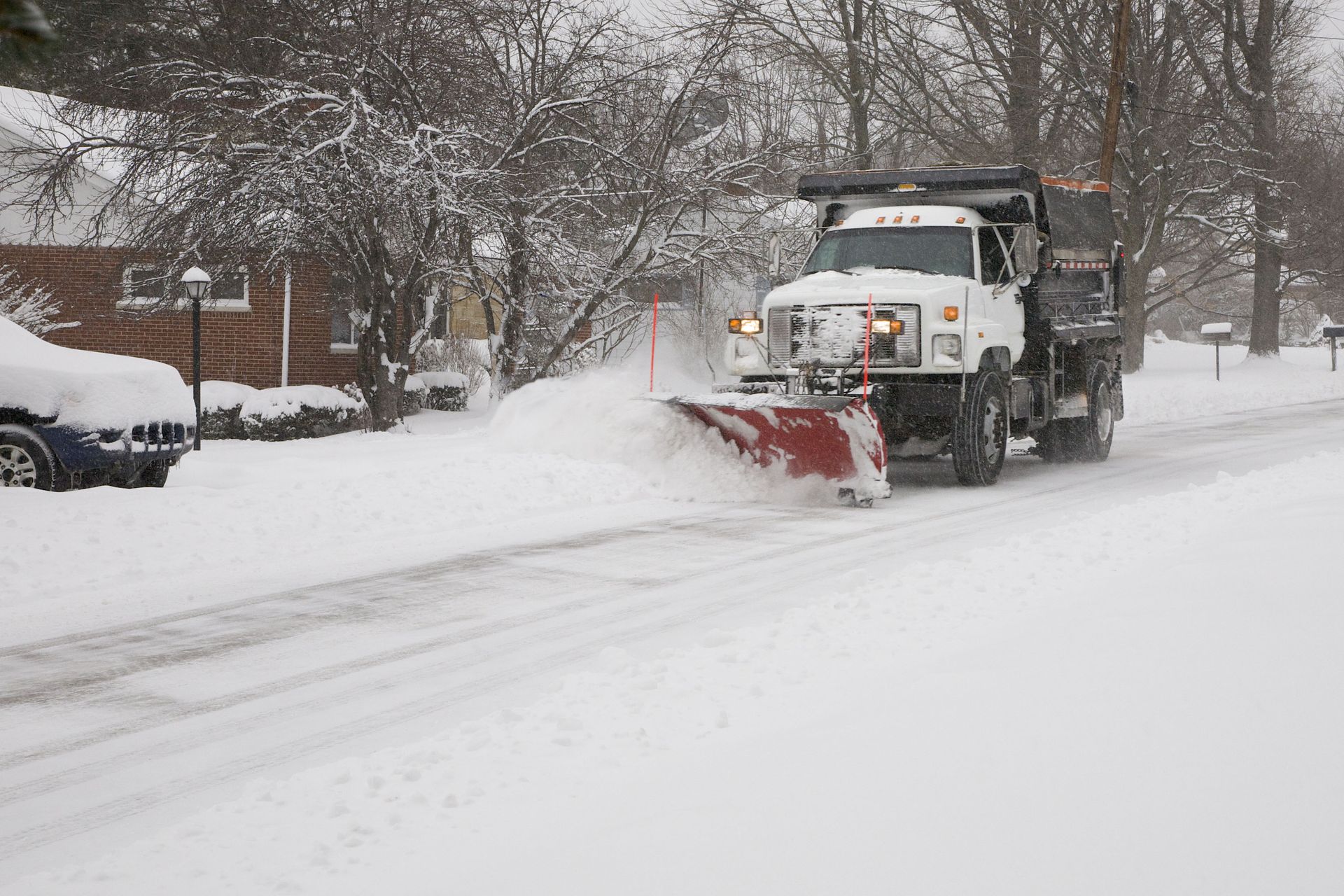
Inefficient snow intake can also slow operations considerably. A blade that does not properly collect, roll, or redirect snow may force the operator to travel more slowly or repeat sections of a route. Inspecting the cutting edge, moldboard, mounting hardware, and blade angle can reveal problems that interfere with normal snow movement. According to Jackson Township, applying salt to roads covered with ice and snow significantly lowers traffic accidents by nearly 90%. Effective plowing helps prepare road surfaces for subsequent treatment and can make salt applications more consistent.
Changes in fuel consumption can provide another clue. Mechanical drag, low tire pressure, improper blade positioning, or a struggling hydraulic system can cause the truck to use more fuel while accomplishing less work. Fleet managers who track fuel use across individual vehicles may notice unusual increases before a major failure occurs. Slower travel speeds, weak acceleration, or longer route completion times should also prompt further inspection. Catching these efficiency problems early can help protect both operating budgets and equipment availability.
Unusual Noises During Operation
Snow plows operate in demanding environments, but operators usually become familiar with the normal sounds of their equipment. Grinding, screeching, clunking, banging, or persistent squealing should therefore be investigated rather than dismissed as routine winter noise. Grinding can indicate metal-to-metal contact, worn bearings, or damaged moving parts, while clunking may point to loose mounting hardware or deteriorated connections. Prompt snow plow repairs can prevent a worn component from damaging nearby parts and creating a more extensive mechanical problem.
Squealing belts can develop when belts are worn, loose, contaminated, or improperly tensioned. Because belts may support systems connected to charging, engine operation, or hydraulic functions, deterioration can eventually leave a vehicle unable to complete its route. Operators should also pay attention to unfamiliar engine sounds such as knocking, tapping, or irregular idling. These noises can have several causes, ranging from maintenance concerns to more serious mechanical problems, making professional diagnosis important when the source is unclear.
Hydraulic noises deserve particular attention because the hydraulic system controls essential blade movements. Whining, chattering, or unusual pump sounds can indicate low fluid, air entering the system, restrictions, leaks, or a deteriorating pump. Operators should document when the noise occurs and whether it is accompanied by slow lifting or angling. This information can help technicians locate the problem more efficiently and reduce diagnostic time.
Visible Wear and Structural Damage
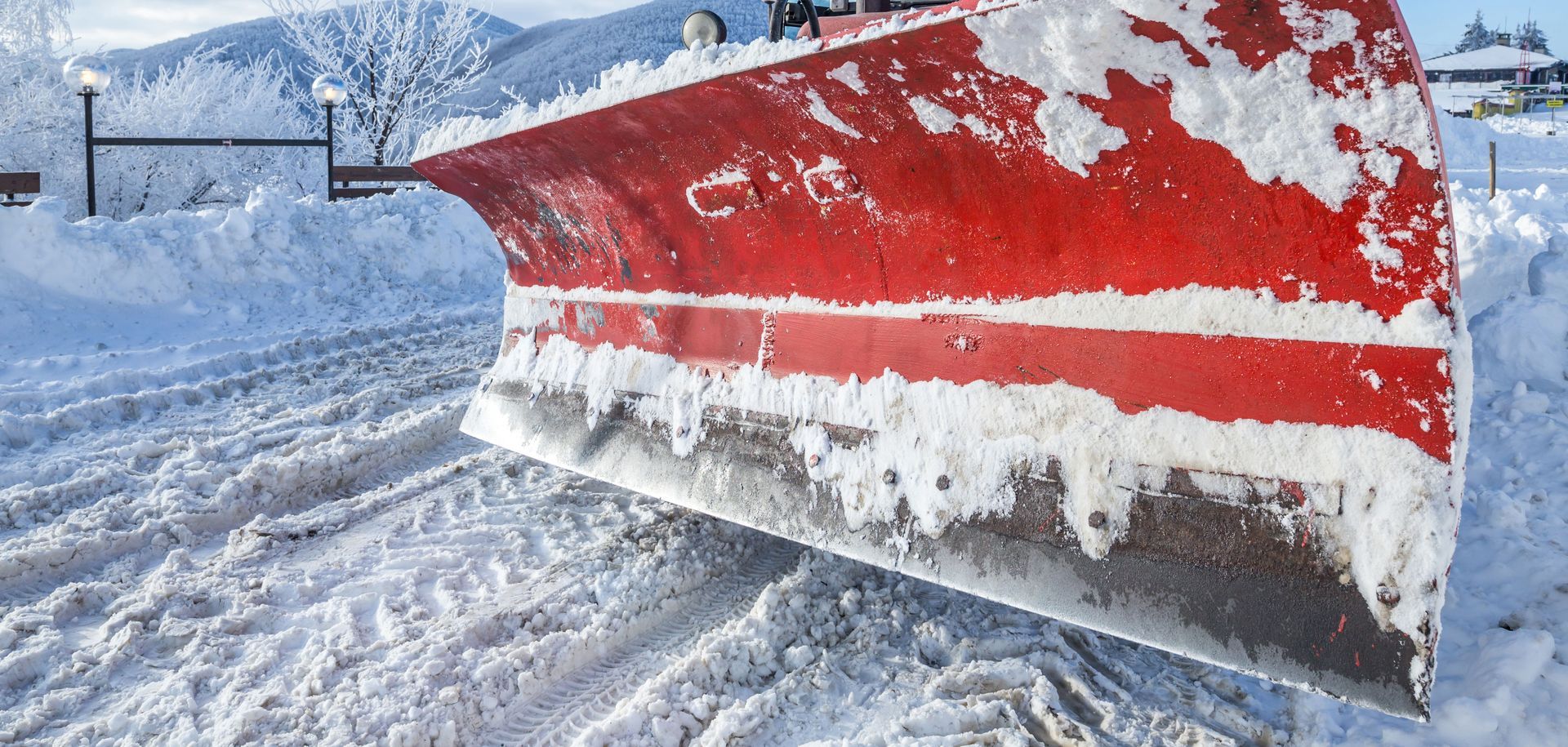
A visual inspection before and after each storm can uncover problems that might otherwise go unnoticed. Cutting edges and blades are continually exposed to pavement, ice, packed snow, curbs, and road debris. Bent, cracked, chipped, or severely worn components can reduce clearing effectiveness and place additional stress on the plow assembly. When deterioration becomes noticeable, snow plow repairs should be arranged before the equipment returns to heavy service. Timely correction can also help prevent uneven blade wear from affecting mounting hardware and hydraulic components.
Rust and corrosion are another concern because plows regularly encounter moisture and road salt. Surface corrosion may initially appear cosmetic, but prolonged exposure can weaken brackets, fasteners, electrical connections, and structural metal. Thorough washing after storms can remove corrosive residue, while routine inspections can identify areas that need protective treatment. Particular attention should be paid to welds, mounting points, and locations where water or salt tends to collect.
Cracks in the chassis, mounting framework, or structural supports should never be ignored. Repeated impact and vibration can cause fatigue in areas exposed to substantial loads. Even a small crack may expand during continued plowing and eventually compromise structural stability. Operators should also check hydraulic hoses for abrasions, bulges, fraying, or wet areas that suggest fluid leakage. Replacing deteriorated components before they fail is generally less disruptive than responding to a breakdown during a major storm.
Hydraulic Performance Problems
The hydraulic system allows an operator to raise, lower, angle, and position the blade, making reliable hydraulic performance essential. One obvious warning sign is fluid leaking beneath the vehicle or around hoses, fittings, cylinders, and connections. Leaks can reduce operating pressure while allowing the fluid level to fall below the amount required for proper system function. Immediate snow plow repairs may be necessary when hydraulic fluid loss affects blade control or creates a risk of system failure.
Slow or inconsistent blade movement is another common symptom. A blade that responds several seconds after the operator uses the controls can make precise snow removal more difficult. Jerky lifting, drifting, or inconsistent angling may indicate low fluid, contaminated fluid, air in the system, damaged valves, electrical problems, or pump deterioration. Checking fluid condition and examining the system for leaks can help identify the cause before normal operation resumes.
Hydraulic pump problems can quickly take a plow out of service. Reduced lifting power, sluggish movement, abnormal pump noise, or repeated overheating can signal that a pump is struggling. Continued operation under these conditions may accelerate wear. Routine fluid servicing, clean electrical connections, and scheduled inspections can help support dependable pump operation throughout repeated storms.
Electrical and Control System Failures
Modern snow plowing systems rely heavily on electrical controls, lighting, solenoids, wiring, and vehicle charging systems. Non-responsive controls can make it impossible to position the blade safely, while intermittent controls can produce unpredictable operation. Corroded terminals, damaged wires, loose connectors, failing switches, or blown fuses are all possible causes. Because electrical faults can affect multiple systems at once, snow plow repairs should include a careful inspection of connections and wiring rather than simply replacing a fuse and returning the vehicle to service.
Flickering or dim lighting should also be investigated. Snow removal frequently occurs at night or during storms with limited visibility, making functional headlights, warning lights, and work lights important for both operators and surrounding drivers. Weak lighting can result from corroded connections, charging issues, failing bulbs, damaged wiring, or battery problems. Checking these components before a storm provides more time to correct deficiencies without disrupting active routes.
Operator awareness is equally important because drivers are often the first people to notice subtle changes in equipment behavior. Training employees to report abnormal sounds, sluggish controls, leaks, vibrations, warning lights, and reduced clearing performance creates an additional layer of preventive maintenance. With regular inspections, accurate maintenance records, timely servicing, and dependable communication between operators and technicians, a snow plow fleet can remain better prepared for the demanding conditions of an active winter season. Contact our team at Snow Plow Solutions today and learn more about our snow plow repair services.