August 10, 2026
The world of snow plows and winter equipment management is more complex than it might seem at first glance. Snow plow dealers have invaluable insights that can help both new and seasoned operators make the most informed decisions for their equipment needs. From maintenance routines to safety protocols, these industry experts share their knowledge to ensure optimal performance.
Understand Your Snow Plow Options
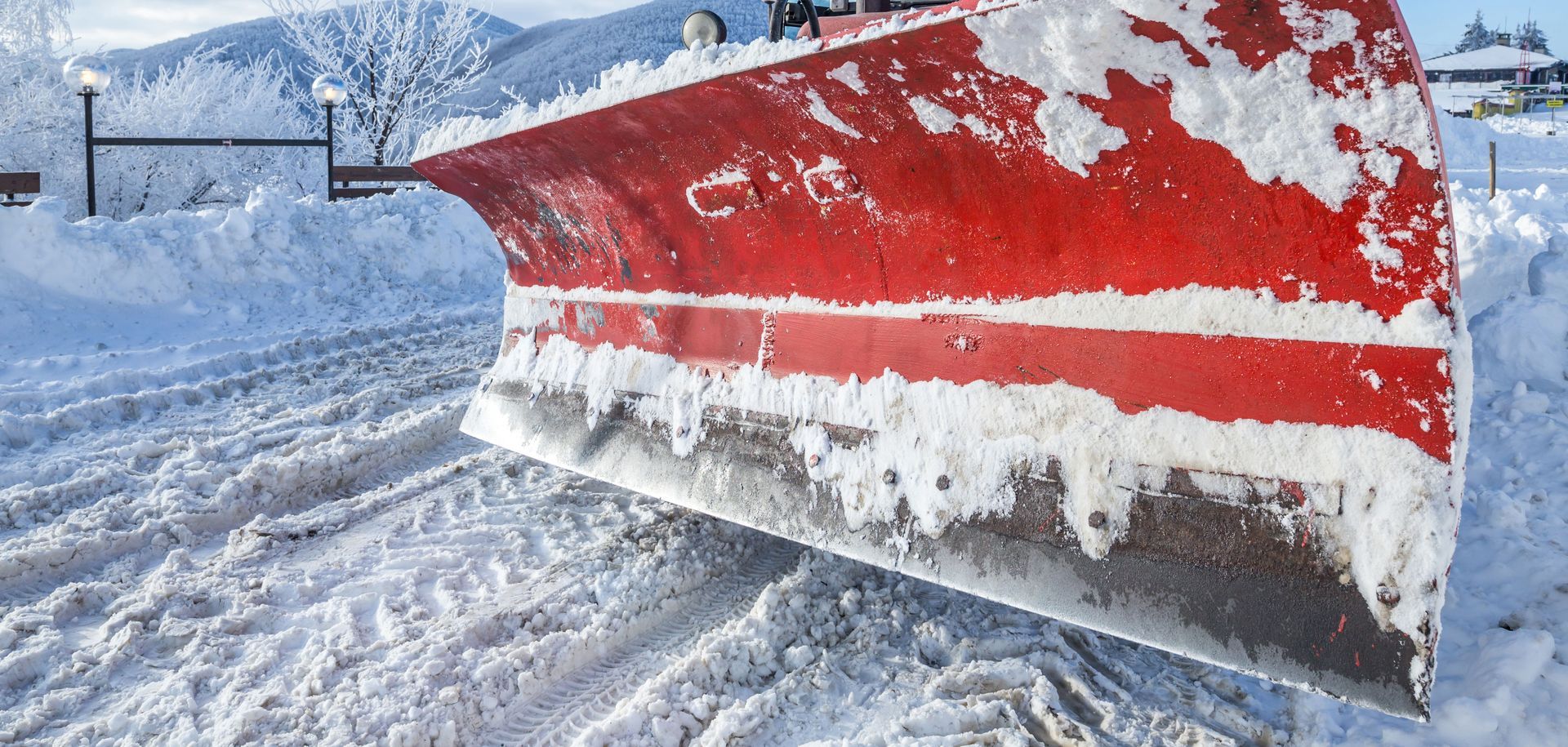
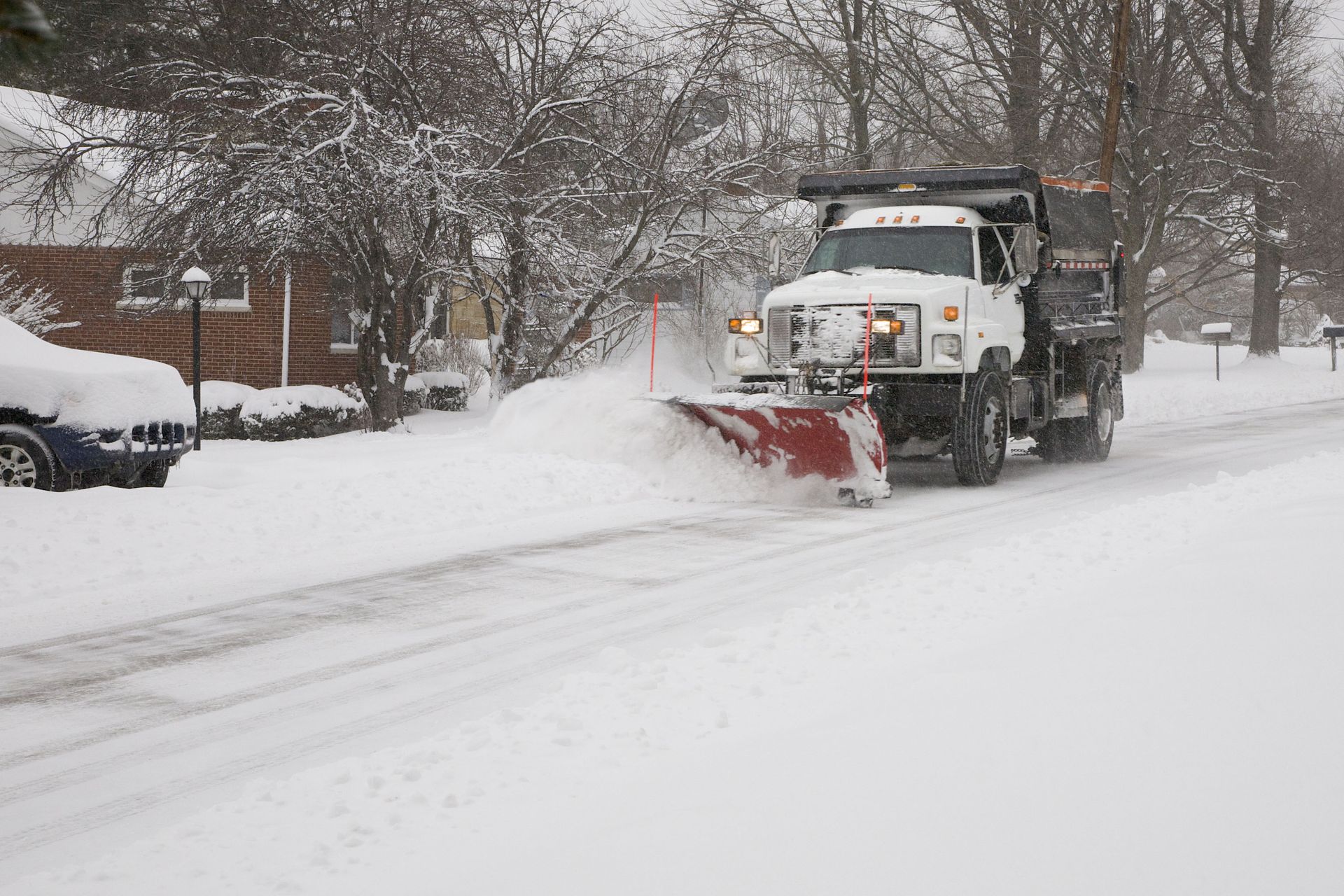
Snow plows have evolved considerably over the years, offering options based on various needs and weather conditions. Common types include straight blade plows, V-plows, and winged plows, each designed for distinct clearing environments. Straight blade plows are ideal for general-purpose plowing on residential driveways. V-plows offer versatility with adjustable wings that can scoop, push, or throw snow depending on storm depth. Winged plows add efficiency with side extensions, allowing broader coverage across large paved surfaces. Snow plow dealers provide hands-on demonstrations and expert advice to help buyers choose the right setup for their operational demands.
Selecting the appropriate snow plow involves understanding individual clearing requirements, which vary widely depending on specific job site circumstances. Residential users and commercial fleet managers have different needs regarding plow size, moldboard materials, and vehicle mounting systems. Factors like driveway length, typical regional snowfall volume, and vehicle capacity should influence every purchase decision. Snow plow dealers advise assessing these operational aspects before buying equipment to avoid selecting underpowered setups. Industry technicians guide prospective buyers through a tailored selection process focused on enhancing clearing efficiency while meeting all regional operational demands.
Select Key Features in Quality Equipment
When seeking quality winter clearing machinery, several critical structural features should be evaluated to ensure long-term performance. A robust mounting frame serves as the structural backbone of the entire assembly, directly influencing operational stability and component durability. Heavy-duty materials like high-strength steel or durable polyethylene enhance blade rigidity, reducing stress on the vehicle frame during tough operations. Hydraulic lift and angling systems provide precise control, allowing operators to execute smooth blade movements when maneuvering around obstacles. Snow plow dealers stress the importance of understanding these technical specifications before buying.
Equipment specialists highlight that while optional accessories offer clear benefits, they should complement basic functional requirements rather than dictate the initial purchase. Understanding the balance between core operational capabilities and convenience accessories is essential for building an efficient commercial fleet. Equipment buyers can fall into the trap of choosing complex add-on options that yield minimal practical value on job sites. Customer education regarding practical mechanical functions helps fleet managers make sensible equipment choices. Experienced snow plow dealers play a vital role in clarifying these distinctions, ensuring buyers invest in reliable components.
Evaluate Reliable Snow Equipment Brands
Evaluating snow plow brands requires thorough research into manufacturer build quality, product lines, and overall industry reputation. Trusted brands built over time possess proven records of field reliability, demonstrated through equipment longevity and strong customer loyalty. Equipment specialists recommend focusing on brand history, mechanical design quality, and long-term service support when comparing different equipment options. Research tools, such as fleet reviews and operator testimonials, provide real-world insights into brand reliability. Snow plow dealers serve as an unbiased source of practical information, drawing on extensive experience with multiple equipment manufacturers.
In addition to brand reputation, manufacturer warranties and localized service support play major roles when evaluating snow equipment. Comprehensive warranty coverage signals confidence in structural engineering and provides essential peace of mind for commercial operators. Equipment specialists highlight the importance of assessing local service networks to guarantee fast access to replacement parts and professional repair work. Brands with strong dealer network support receive higher recommendations due to reduced downtime and lower long-term maintenance costs. Dedicated service infrastructures complement manufacturer reliability throughout the equipment evaluation process.
Compare Dealer and Manufacturer Insights
Snow plow performance can be evaluated through distinct lenses, with perspectives often varying between factory representatives and local equipment shops. Manufacturers primarily focus on standardized engineering specifications, highlighting factory stress testing and laboratory performance metrics. Local dealers provide practical real-world perspectives, emphasizing job site reliability, ease of maintenance, and actual field durability across harsh winter conditions. Combining these dual perspectives ensures well-rounded decisions, balancing engineering design with proven field performance. Equipment buyers are encouraged to leverage both factory specifications and dealer experience to select machinery that performs reliably.
Another major distinction between factory standards and local dealer insights involves how equipment feedback is collected and applied. Manufacturers rely on formal surveys and structured laboratory environments to gather baseline operational data for quality control. Local dealers gather real-world operator feedback directly from commercial contractors, gaining direct insight into common wear issues and job site challenges. Through this direct feedback loop, local shops play an active role in communicating field performance issues back to equipment designers. Sharing contractor experiences with factory engineers helps drive practical improvements in future designs.
Prioritize Regular Upkeep and Inspections
Regular equipment maintenance is essential for ensuring the performance, safety, and operational lifespan of winter clearing machinery. Performing routine fluid checks and mechanical upkeep prevents minor component wear from escalating into severe breakdowns during active winter storms. Fundamental upkeep activities include inspecting cutting edges for wear, checking hydraulic fluid levels, and lubricating pivot points to reduce mechanical friction. Snow plow dealers provide comprehensive maintenance schedules that outline essential service steps, enabling equipment owners to maintain their machinery efficiently. Knowing when to schedule professional mechanical service remains critical for complex hydraulic repairs.
Seasonal preparation checklists are vital for getting snow plows and spreaders ready for high-demand winter clearing operations. Prior to the first winter storm, technicians recommend complete system inspections, including hydraulic fluid changes, electrical connection cleaning, and protective anti-corrosion treatments. Special focus should be placed on inspecting vehicle mount brackets, wiring harnesses, and moldboard structural welds. Mid-season maintenance checks involve measuring blade edge wear, testing lighting systems, and re-torqueing mounting bolts. Structured maintenance routines minimize unexpected downtime, optimizing clearing efficiency during critical severe weather events.
Implement Safety Protocols for Winter Work
Modern snow plows incorporate integrated safety features designed to protect equipment operators, vehicles, and surrounding property during clearing operations. High-visibility auxiliary lighting setups, reflective markings, and emergency strobe kits improve operator awareness while alerting nearby motorists of active clearing work. Trip-spring mechanisms and relief valves protect the vehicle suspension and plow frame by absorbing impacts when hitting hidden obstacles like curbs or raised pavement edges. Maintaining safe winter travel routes offers proven community benefits; according to Jackson Township, applying salt to roadways decreases collision expenses by 30% on highways and 10% on two-lane roads, while dropping the cost ratio of injury to property damage by 200% and 30%, respectively.
Advanced snow removal equipment also emphasizes ergonomic controls and vehicle cab integration to minimize operator fatigue during extended snow events. Intuitive joystick controllers, responsive hydraulic switches, and comfortable vehicle mounts allow drivers to maintain focus during long shifts behind the wheel. Snow plow dealers regularly demonstrate proper controller setups, ensuring operators know how to maximize comfort without compromising safe driving habits. Prioritizing operator comfort and equipment safety creates efficient, reliable winter clearing operations that keep roadways and parking lots safe for everyone during severe winter storms.
Navigating the complexities of winter weather requires dependable equipment, thorough maintenance routines, and practical industry knowledge. By taking the time to understand plow configurations, prioritize regular mechanical checks, and implement essential safety protocols, equipment owners can protect their investments and ensure efficient snow clearing performance all season long. Whether you need assistance selecting the right commercial setup, sourcing replacement parts, or preparing your fleet for winter, working with experienced professionals makes all the difference. To keep your fleet running smoothly throughout the winter season, we invite you to partner with our team at Snow Plow Solutions.